Best Ranthambore Hidden Tourist Spots
If you think Ranthambore is only about chasing tiger sightings from the back of a bouncing gypsy, you’re only seeing half the picture.
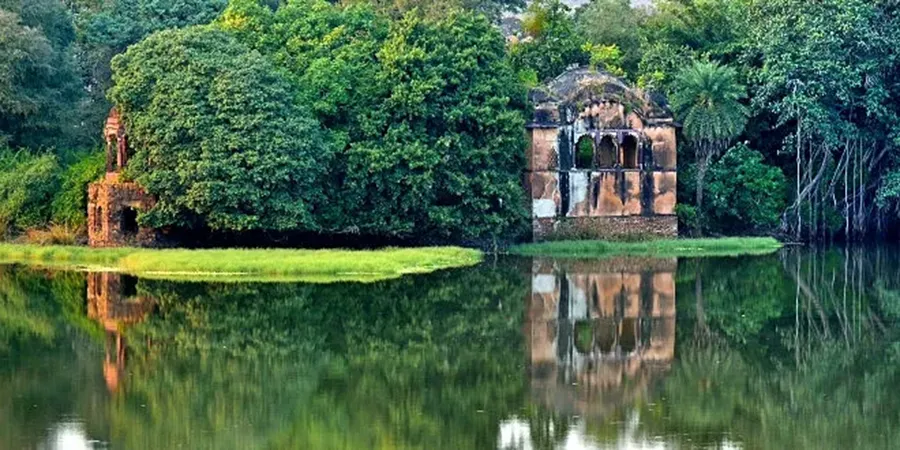
I remember my first trip there. Like everyone else, I was obsessed with seeing “Machli’s” descendants. But on the third morning, when the safari tracks were crowded, my guide took a detour toward the outskirts. We ended up at a quiet lake where the only sound was the flapping of wings and the distant ring of a temple bell. That’s when I realized: Ranthambore’s true soul lives in the spots most tourists drive right past.
Whether you’ve missed out on a safari permit or just want to escape the “Canter dust,” here is your guide to the Ranthambore Hidden Tourist Places List that offer peace, history, and a touch of magic.
1. Gupt Ganga: The Fort’s Secret Oasis
Most people climb the Ranthambore Fort to visit the famous Trinetra Ganesh Temple. But if you stray from the main path, you’ll find Gupt Ganga. It is a perennial stream tucked away in a quiet corner of the fort.
The water trickles through the rocks, keeping the area unnaturally cool even in the Rajasthani heat. It’s a favorite spot for langurs and local birdlife.
- Why visit: It’s the ultimate spot for “main character” vibes—quiet, green, and completely detached from the temple crowds.
- Cost: Entry to the fort is free.
2. Surwal Lake: The Birdwatcher’s Paradise
About 20 km from the main park lies Surwal Lake. While the tigers are sleeping in the core zone, this shallow lake becomes a playground for migratory birds between November and March. You’ll see painted storks, flamingos, and spoonbills.
The best part? You don’t need a safari permit to visit. Just drive down early in the morning when the fog is lifting off the water.
- Pro Tip: Visit during sunrise. The reflection of the sky in the water, combined with the calls of thousands of birds, is a spiritual experience.
- Best for: Photographers and soul-searchers.
3. Kachida Valley: Where Leopards Rule
While the Bengal Tiger is the king of the core zones, the Kachida Valley (on the park’s outskirts) is the kingdom of the Leopard. Because leopards are shy and avoid tigers, they retreat to this rocky terrain.
The valley is dotted with low hills and lush greenery. It feels much more “wild” and less “commercial” than the main safari routes.
- How to reach: You can book a specific jeep safari for this area.
- Expect to see: Sloth bears and leopards (if you’re lucky).
4. Mansarovar Lake: The Quiet Sunset Spot
If you want to avoid the evening rush of tourists heading back to their resorts, point your driver toward Mansarovar Lake. Located on the edge of the reserve, it’s one of the largest water bodies in the area.
It is a great spot for a peaceful walk or a small picnic. You’ll often see local fishermen at work, providing a glimpse into the daily life of the Sawai Madhopur villages.
- Distance: Approx 12 km from the city.
- Vibe: Calm, rural, and authentic.
5. Amareshwar Mahadev Temple
Nestled inside a deep gorge, this temple is dedicated to Lord Shiva. To reach it, you have to walk through a bit of jungle and climb some stairs, which makes it feel like an adventure. During the monsoon, a natural waterfall forms here, turning the temple into a misty paradise.
- Relatable Note: It’s a favorite for locals, so if you go on a Monday, expect some hustle. Any other day, it’s just you and the sound of the waterfall.
Quick Travel Guidance for 2026
Planning a trip to Rajasthan requires a bit of math and timing. Here is the factual lowdown for your Ranthambore visit:
| Feature | Details (Approx.) |
| Safari Timing (Winter) | 7:00 AM – 10:30 AM / 2:00 PM – 5:30 PM |
| Safari Timing (Summer) | 6:00 AM – 9:30 AM / 3:30 PM – 7:00 PM |
| Gypsy Safari Cost | ₹1,900 – ₹2,100 per person (Indians) |
| Canter Safari Cost | ₹1,300 – ₹1,600 per person (Indians) |
| Hotel Rates | ₹3,000 (Mid-range) to ₹25,000+ (Luxury) per night |
Read More: How to Book Ranthambore Safari Without a Travel Agent
The “Travel Expert” Advice
- Skip the Wednesday Fort Rush: Wednesday is dedicated to Lord Ganesha. The fort gets incredibly crowded with devotees. If you want to explore the hidden ruins and Gupt Ganga, pick a Tuesday or Thursday instead.
- Respect the Buffer Zones: Zones 6 to 10 are often called “buffer zones,” but they house some of the most beautiful landscapes and “hidden” sightings. Don’t let agents tell you they aren’t worth it!
- Support Local Art: Stop by the Dastkar Ranthambore outlet. It’s a self-help initiative for village women displaced by the park. Their block prints are better souvenirs than any plastic tiger figurine.
Is it worth going beyond the Tiger?
Absolutely. Ranthambore is a tapestry of Aravali and Vindhya mountain ranges. The history of the 10th-century fort and the serenity of the lakes like Surwal offer a “slow travel” experience that a 3-hour safari just can’t match.
So, next time you’re at rajasthanyatra.in planning your Ranthambore trip, leave a day empty on your itinerary. Use it to wander. You might not find a tiger in these hidden spots, but you’ll definitely find the peace you came for.
FAQs related to best Ranthambore hidden tourist spots
Q: Are these hidden spots safe from wild animals?
A: Most spots like Mansarovar and the temple are outside the core forest. However, since Ranthambore has no physical walls, it is always wise to leave these areas before sunset and follow local advice.
Q: Do I need a separate ticket for Surwal Lake?
A: No, Surwal Lake and Mansarovar are open areas. You only need to pay for your transportation (car/scooter rental).
Q: Can I visit the Ranthambore Fort during a safari?
A: No. The fort visit is separate. You can take an auto-rickshaw or your own vehicle to the fort parking and walk up from there.
Q: What is the best month for birdwatching?
A: Late December to February is the peak season for migratory birds at Surwal Lake.