10 Best Places To Visit In Jawai
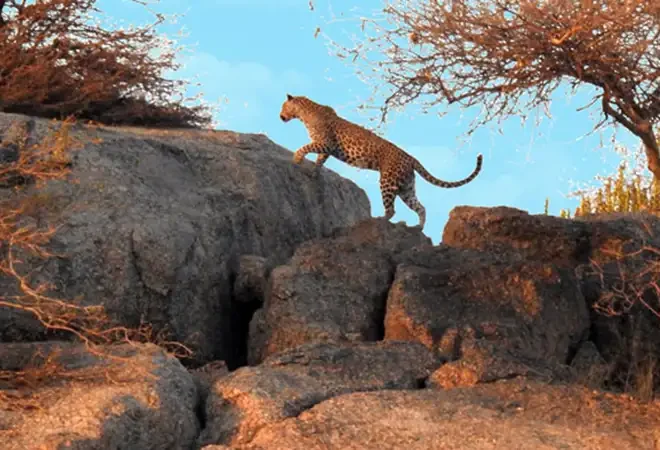
The first time you stand on a granite boulder in Jawai and watch a leopard walk past a Rabari shepherd’s hut like it’s just another evening, you understand why everyone who visits ends up telling their friends about it — and if you’re mapping out the best places to visit in Jawai, this quiet corner of Pali district will surprise you more than any fort or palace on your Rajasthan list.
Most travellers still skip it, chasing Jaipur’s Hawa Mahal or Udaipur’s lake views, and honestly, that’s good news for you. Fewer crowds, wilder skies, and a landscape that looks like nowhere else in India.
Why Jawai Isn’t Just Another Stop on the Map
Jawai sits between Udaipur and Jodhpur, roughly 150 km from either city. What makes it different is simple: leopards here live in the open, on rocky hills, right next to villages — with almost no recorded conflict between the cats and the Rabari herders who share the land. There’s no fenced reserve, no forest checkpoint drama. Just rock, sky, and animals going about their business.
That’s rare. Most of India’s leopards live deep inside protected forests. Jawai’s leopards live in daylight, on boulders you can point to from your jeep.
10 Best Places To Visit In Jawai You Shouldn’t Skip
Here’s a working list, built from what actually makes a Jawai trip memorable — not just a checklist of names.
1. Jawai Dam (Jawai Bandh) Built in 1957 by Maharaja Umaid Singh, this is western Rajasthan’s largest reservoir and the heart of the region. Go for sunset — the granite hills reflecting off still water is the kind of photo that doesn’t need a filter.
2. Devgiri Leopard Zone This is where most safaris head. The rocky caves and crevices here are prime leopard territory. Morning safaris (around 5:30–9:00 am) tend to catch leopards returning from a night hunt; evenings bring golden-light sightings on the rocks.
3. Bera Village Often called the heart of Jawai’s leopard tourism, Bera is where you’ll see how closely local life and wildlife overlap. Walk through the lanes early morning and you’ll likely hear more about leopard sightings from a shopkeeper than from your guide.
4. Kambeshwar Mahadev Temple About 11 km from central Jawai, this temple attracts pilgrims and photographers alike. It’s small, unhurried, and a good reminder that Jawai isn’t only about wildlife.
5. Rabari Village Walks Spend an hour with the Rabari community — herders known for their vivid turbans and centuries-old relationship with livestock (and, remarkably, with the leopards they consider protectors rather than threats). It’s one of the most genuine cultural experiences left in Rajasthan tourism.
6. Jawai Dam Crocodile Banks Along the dam’s edges, marsh crocodiles bask undisturbed for most of the day. Bring a zoom lens; guides usually know exactly which stretch to point you toward.
7. Aravalli Sunset Viewpoints The granite hills around Jawai catch extraordinary light at dusk. Many photographers and pre-wedding shoot teams travel here specifically for this — the rock formations look almost lunar in the golden hour.
8. Migratory Birdwatching Points near the Dam Between October and March, flamingos, cranes, pelicans, and herons arrive in good numbers. If you’re even mildly into birdwatching, carry binoculars — you won’t need to walk far from the dam bank.
9. Stargazing Camps Jawai has almost no light pollution. On a clear winter night, the Milky Way is visible without any equipment. Most luxury camps here run informal stargazing sessions after dinner.
10. Ranakpur Jain Temple (Day Trip) About an hour and a half from Jawai, this 15th-century marble temple has 1,444 pillars, and — this is the fun part — no two are carved alike. It pairs naturally with a Jawai and Kumbhalgarh Fort route since all three sit along the same road south of Udaipur.
Read more: Jawai Leopard Safari : Prices, Hotels Nearby, Tips
Planning the Best Places To Visit In Jawai: Timing & How to Reach
Best season: October to March, for pleasant weather, active leopards, and migratory birds. Summer (April–June) actually brings leopards closer to water sources, so sightings can be strong too — just expect real heat. Monsoon (July–September) turns the hills green and is far less crowded, though a few safaris get skipped due to rain.
How to reach:
- From Udaipur: about 150 km, 3.5 hours by road
- From Jodhpur: about 160 km, 4 hours by road
- From Mount Abu: about 130 km, 3 hours by road
- Nearest railway station: Jawai Bandh, roughly 3 km from most camps
- Nearest airports: Udaipur (approx. 150 km) and Jodhpur (approx. 170 km)
Rough costs (subject to seasonal change, so confirm before booking):
- Leopard safari: approximately ₹2,500–₹4,500 per person, depending on season and vehicle type
- Camping packages with meals: roughly ₹4,500–₹6,500 per person per night
A Few Honest Tips Before You Go
- Two days beats one. A single day trip from Udaipur or Jodhpur works, but an overnight stay gets you both a morning and evening safari — and Jawai really is better slow.
- Wear earthy tones on safari, not bright colours.
- Network coverage is patchy in parts of the region, so carry some cash.
- Book your camp and safari together in peak winter months (December–January); good camps fill up fast.
Final Thought
If you’ve already done the golden triangle and the palace circuit, Jawai is what Rajasthan looks like when nobody’s performing for tourists. Among the best places to visit in Jawai, it’s really the combination — leopards on open rock, Rabari life continuing exactly as it has for generations, and skies that go properly dark at night — that stays with people long after the trip ends.