
Kumbhalgarh Wildlife Sanctuary: A Sanctuary of Nature’s Treasures
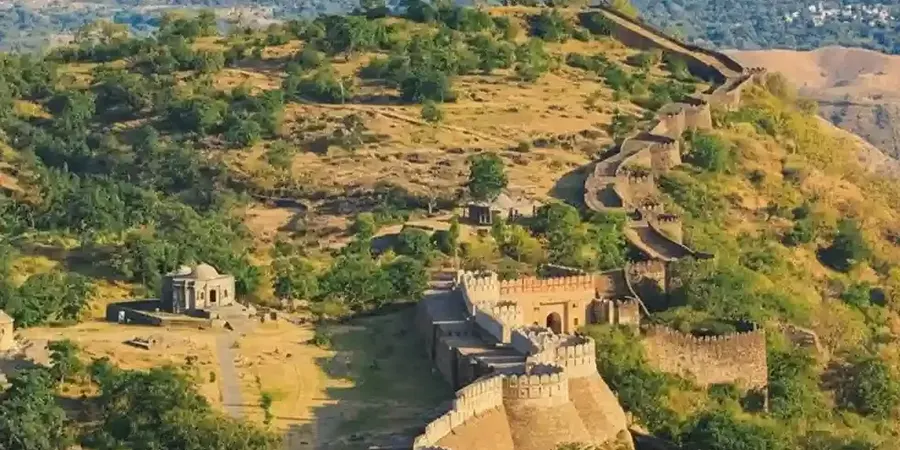
Most people visit Kumbhalgarh for the fort. They take photos of those impossibly wide walls, wonder at the “Great Wall of India,” and leave. But just a few kilometres away — almost hiding in plain sight — lies one of Rajasthan’s most underrated wild places.
Kumbhalgarh Wildlife Sanctuary doesn’t shout for attention. It simply exists: ancient, raw, and quietly spectacular. And if you’re willing to slow down, it gives you something no fort ever can.
What Is Kumbhalgarh Wildlife Sanctuary?
Kumbhalgarh Wildlife Sanctuary is a protected forest reserve spread across approximately 610 sq km in the Rajsamand district of Rajasthan. It was officially declared a sanctuary in 1971 and wraps around the historic Kumbhalgarh Fort like a living green embrace.
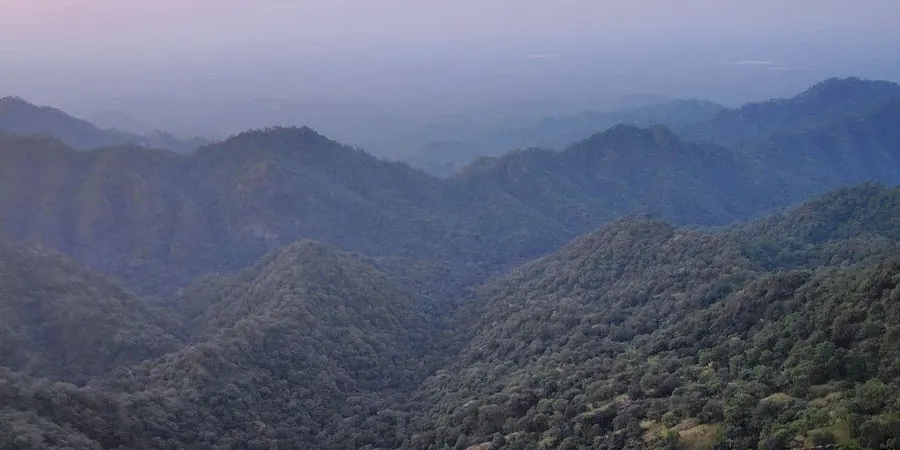
The sanctuary stretches across four Aravalli hill ranges — Kumbhalgarh, Sadri, Desuri, and Bokhada — and covers parts of three districts: Rajsamand, Udaipur, and Pali. It sits at elevations ranging from 500 to 1,300 metres, which gives it a cooler, greener feel than most of Rajasthan.
Here’s something competitors don’t tell you: this sanctuary marks the natural cultural boundary between Mewar and Marwar. The Aravalli hills divide these two ancient regions, and the forest stands as the living witness to both.
Wildlife You Can Spot Here
This is where Kumbhalgarh truly earns its name. The sanctuary is home to an impressive mix of predators, prey, and rare species.
Mammals:
- Indian Leopard — the apex predator here; reportedly around 186 leopards call this sanctuary home
- Indian Wolf — Kumbhalgarh is the only sanctuary in India where wolf breeding has been successfully conducted; over 40 wolves inhabit the Joba area
- Sloth Bear
- Striped Hyena
- Sambhar, Nilgai, Chinkara (Indian Gazelle)
- Chausingha (Four-Horned Antelope) — rare and special
- Jungle Cat, Jackal, Wild Boar, Indian Hare
Birds:
- Grey Jungle Fowl (easiest to spot)
- Indian Eagle-Owl
- White-breasted Kingfisher
- Peacocks, Parakeets, Golden Oriole
- Red Spur Owls, Flamingos, Spoonbills, Egrets
Honest note: wildlife sightings are never guaranteed. Many visitors see sambhar and nilgai easily; leopard sightings depend heavily on timing, season, and luck. The early morning safari (6–9 AM) gives you the best odds.
Things to Do at Kumbhalgarh Wildlife Sanctuary
1. Jeep Safari
The most popular activity. A typical route covers around 15–22 km from Kumbhalgarh Fort toward Thandi Beri. The track is bumpy — open jeeps seat up to 6 passengers with an official guide. Timings are 6–9 AM and 3–5 PM.
Cost: approximately ₹1,000–₹1,500 per jeep (hire from Kumbhalgarh or Kelwara town, as the Forest Department does not have its own vehicles).
Heads up: People with spine or heart issues should be careful — the terrain is rugged.
2. Horse Safari
This is what makes Kumbhalgarh special compared to other Rajasthan sanctuaries. You can literally ride a horse through the forest. Popular routes include:
- Kumbhalgarh to Ghanerao via Thandi Beri
- Thandi Beri to Sumer
- Ranakpur to Thandi Beri (15 km)
- Roopanmata to Ranakpur (30 km)
It’s slower, quieter, and surprisingly more intimate with nature than a jeep.
3. Trekking
Several trails cut through the sanctuary. The most famous is the Tirthankar Natural Trail (3.7 km). Others range from 8 km to 98 km for serious trekkers.
You need an entry permit from the forest department, and a forest guard (₹200–₹500) must accompany you.
4. Birdwatching
Start early — before 8 AM if possible. The forest is alive with calls at dawn. The Thandi Beri watering hole is a favourite for both birders and wildlife watchers, as animals come there to drink throughout the day.
5. Combine with Kumbhalgarh Fort
Don’t miss the fort itself. Built between 1443–1458 AD by Rana Kumbha of Mewar, it is a UNESCO World Heritage Site with walls stretching nearly 36 km — the second longest continuous wall in the world after China’s Great Wall.
Entry fee: ₹40 for Indian citizens, ₹600 for foreign tourists. The evening Light & Sound Show is worth attending.
When to Visit: Honest Advice
| Season | Experience |
|---|---|
| October to March | Best for wildlife spotting; pleasant weather; peak season |
| July to September | Monsoon magic — lush green forests, misty hills; fewer crowds |
| April to June | Hot days, but wolves are seen near water sources; not ideal |
Most blogs say “December to March is best.” That’s true for clear skies. But if you love dramatic green landscapes and don’t mind fewer guaranteed sightings, the post-monsoon period (October–November) is arguably the most beautiful time to visit.
How to Reach Kumbhalgarh Wildlife Sanctuary
The sanctuary is 98 km from Udaipur — about a 2.5 to 3-hour drive via NH-27.
- By Road: Hire a cab from Udaipur (₹1,800–₹2,500 one-way approx.) or catch a bus from Chetak Bus Stand to Kelwara.
- By Train: Falna station (approx. 80 km away) is the nearest railhead. From Falna, hire a local taxi.
- By Air: Maharana Pratap Airport, Udaipur (84 km away) is the nearest airport with good connectivity from Mumbai, Delhi, and Jaipur.
Where to Stay
Inside the Sanctuary: Forest Rest Houses at Thandi Beri, Ranakpur, Sumer, Sadri, and Roopanmata — very basic but memorable. Rates are approximately ₹200–₹400 per night. Book through the Assistant Conservator of Forests, Kumbhalgarh WLS, Sadri, or the DFO Wildlife office in Rajsamand.
Near Kumbhalgarh Fort: Several heritage hotels and resorts are clustered near the fort. Budget guesthouses start around ₹800–₹1,500/night. Mid-range heritage properties range from ₹3,000–₹8,000/night. Restaurants here serve both Rajasthani thali and multi-cuisine food.
Practical Tips Before You Go
- Wear muted colours — greens, browns, khakis. Avoid bright clothing during safaris.
- Carry binoculars — non-negotiable for birdwatching and distant wildlife.
- Pack layers — mornings are cool, afternoons warm, evenings chilly (especially October–February).
- Bring cash — ATMs are limited in the Kumbhalgarh area.
- Stay hydrated — carry at least 1.5 litres of water per person for safaris.
- Follow forest rules — do not feed animals, do not wander alone in dense forest zones.
- Hire a licensed guide — they know the trails, the animals, and the stories that make the forest come alive.
FAQ: Kumbhalgarh Wildlife Sanctuary
Q: Is Kumbhalgarh Wildlife Sanctuary safe for solo travellers? Yes, it is generally safe. Always travel with an authorised guide inside the forest zones and follow forest department guidelines.
Q: Can I see leopards here? Leopards are present (reportedly around 186 in the sanctuary), but sightings depend on season and luck. Early morning safaris in winter give the best chances.
Q: How much time should I spend here? A minimum of 1 full day is recommended — morning safari + fort visit. For trekking and deeper exploration, plan 2 days.
Q: Is there an entry fee for the sanctuary? Yes. Entry permits are required. Contact the forest department or your hotel to arrange them along with safari bookings.
Q: Can I combine this trip with Ranakpur Jain Temples? Absolutely. The famous Ranakpur Jain Temples are within the sanctuary boundary — one of the most architecturally stunning temples in India, and a beautiful complement to the forest experience.
Kumbhalgarh is one of those rare places in Rajasthan where forts, forests, and folklore come together in one unforgettable landscape. Most visitors race through on a day trip. The ones who slow down — who wake before sunrise for a safari, who sit quietly at Thandi Beri as the forest wakes up — they’re the ones who come back.
Go slow. The sanctuary rewards patience.